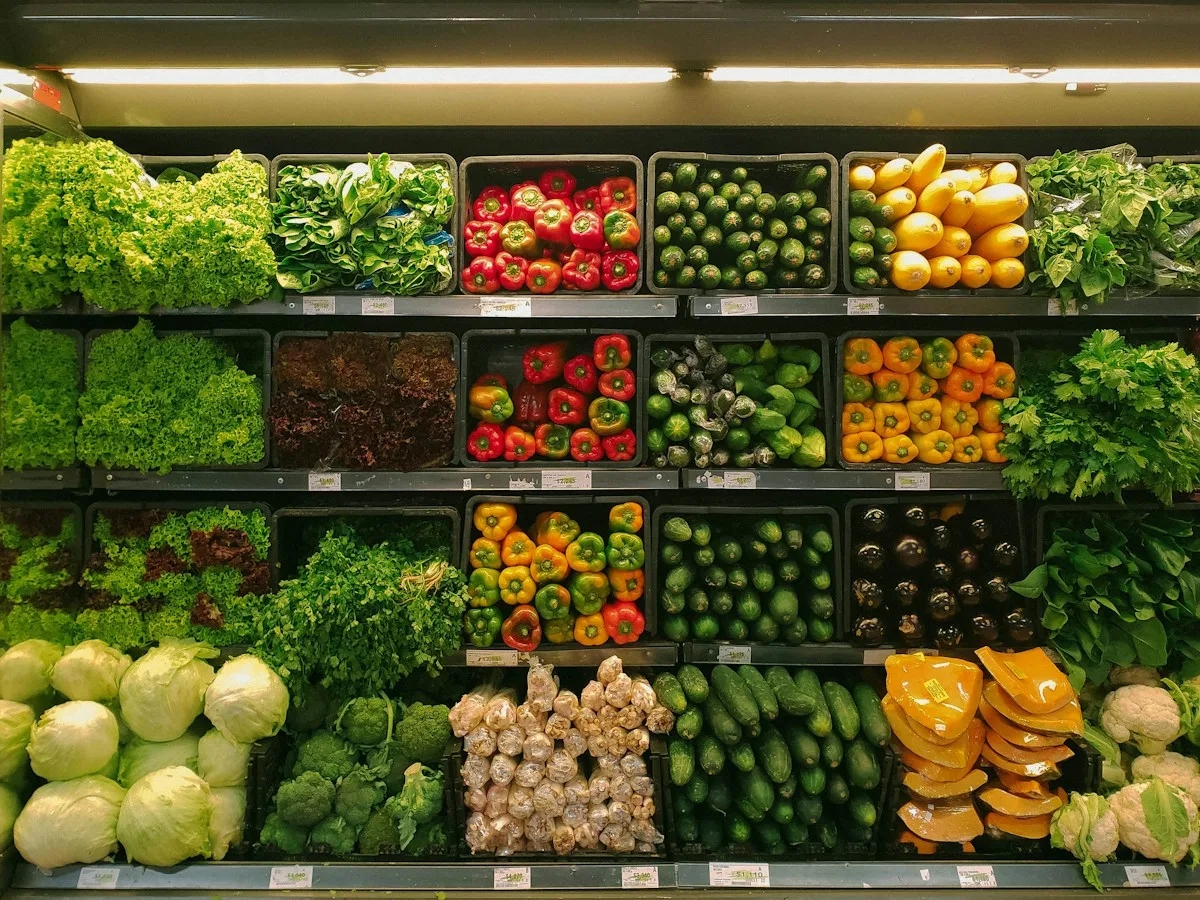
 Fresh produce
Fruits & vegetables
Prepare a fresh banana, fruit or vegetable enquiry around specification, pack, handling and destination. Supply subject to confirmation.

Looking beyond food and ingredients? Tell us about the goods or materials you need, and let’s assess the sourcing requirement together.
Enquire about sourcingAll details are confirmed for the individual enquiry. Category image is illustrative.
Share the product name, material, model, drawing or specification that explains the requirement.
Tell us how it will be used and which performance or quality criteria are essential.
Availability, supplier fit and required documents need to be assessed before an offer can be discussed.
A diameter and length alone may leave important requirements open. Share the part designation, application and a controlled drawing or referenced product standard so proposed alternatives can be compared.
This is a sourcing-enquiry opportunity, not a confirmed supply range. Product, manufacturer, origin, availability and destination suitability require individual confirmation. Your technical team must approve the specification and any substitution.
Discuss an industrial fastener requirementThe ISO fasteners committee overview distinguishes dimensions, properties, finishes and testing. It is a reference for preparing questions, not evidence that a proposed product complies with a standard.
Have a requirement for a bowl, tray, container or another non-electric kitchen article? Share a drawing or reference and the conditions in which it will be used.
This is an opportunity to submit a sourcing brief. Product, supplier, origin, availability and suitability require confirmation.
Enquire about stainless steel kitchenwareUse the same drawing, specification and review criteria for every proposed alternative.
Download the non-food sourcing briefUse the product specification checklist and sample evaluation guide to organise your review.
Yes. Share the item, specification, quantity, origin preference if any and destination. Product and supplier feasibility, supporting documents and commercial terms require individual assessment.
No. The complete article, its materials, intended use and destination requirements need review. Describe the contact and cleaning conditions and request appropriate evidence for the actual proposed product.
Yes. Use the general sourcing enquiry and include the material, drawing or reference, intended use, quantity and destination. This example does not limit the other-sourcing category.
The European Commission’s food-contact materials overview explains the EU framework, including kitchenware and tableware. Ask an appropriate specialist to confirm the requirements for your article and destination. The link does not imply ExpoWing product approval or certification.
Fresh producePrepare a fresh banana, fruit or vegetable enquiry around specification, pack, handling and destination. Supply subject to confirmation.
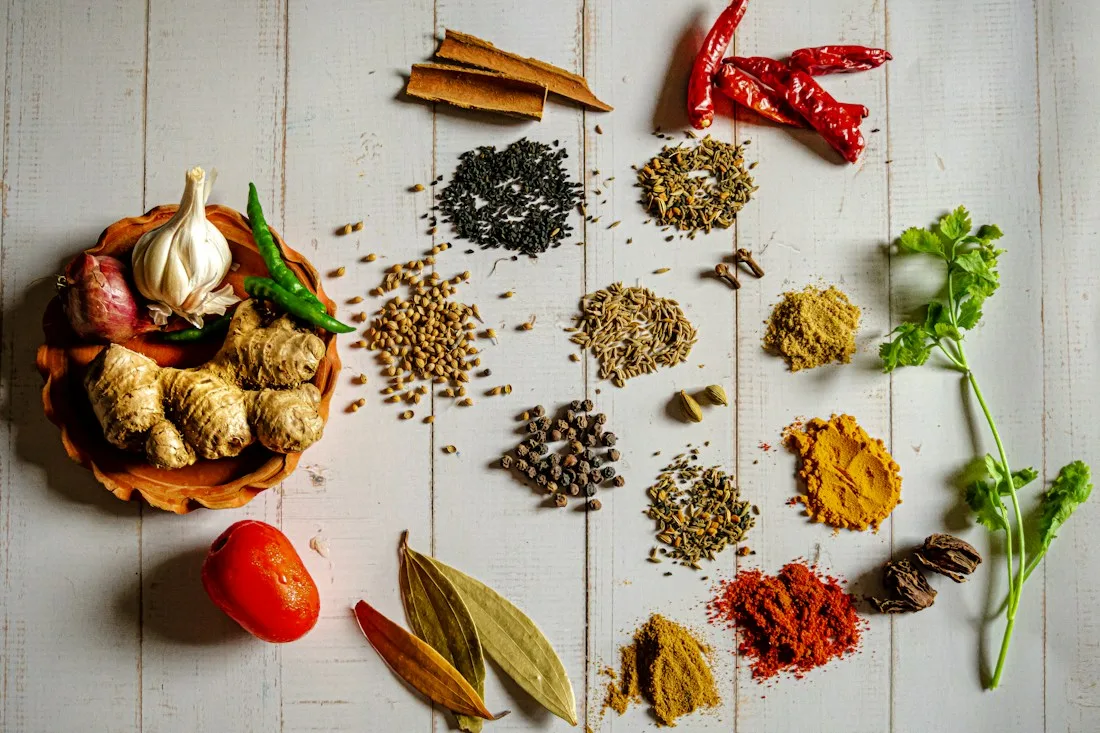 Ingredients
Prepare vegetable, pulse, turmeric or whole black pepper enquiries with the form and application you need. Supply subject to confirmation.
Non-food sourcingPrepare carton, paper-bag or empty glass-container enquiries, including food-contact conditions where relevant. Supply subject to confirmation.
Non-food sourcingShare a fabric, yarn or made-up textile brief with composition, construction and finish. Supply subject to confirmation.
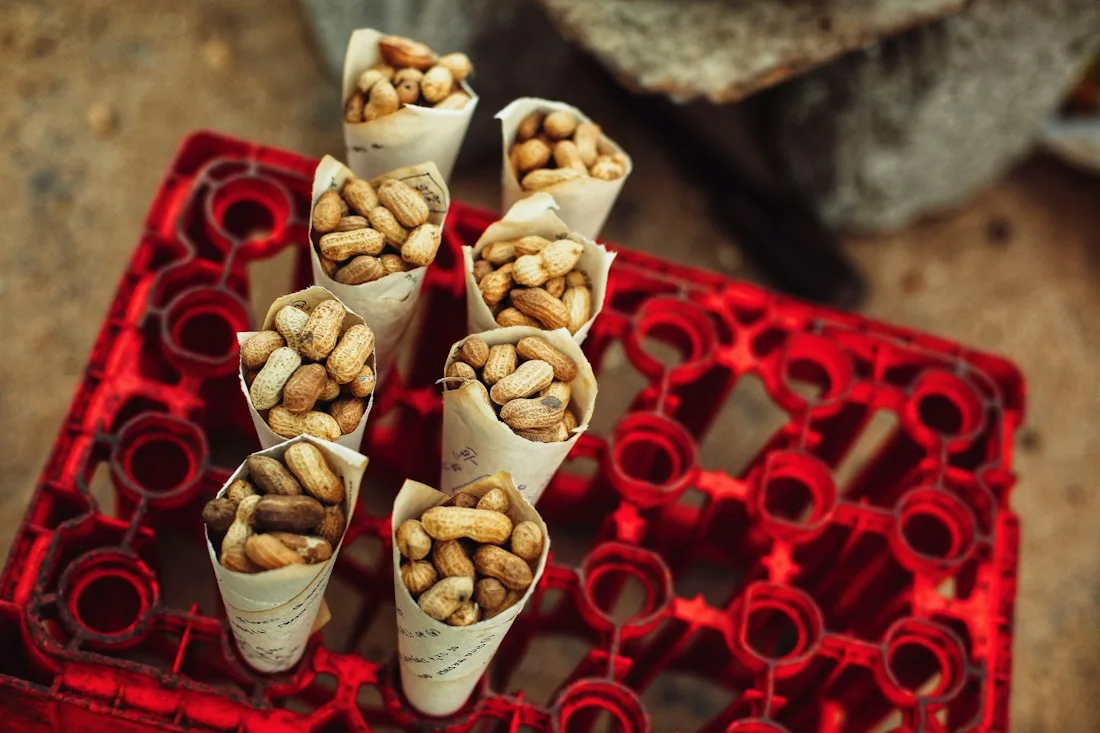 Food & agriculture
Discuss peanut requirements for bulk purchasing or ingredient applications.
Bring us your requirements. Let’s explore what comes next.